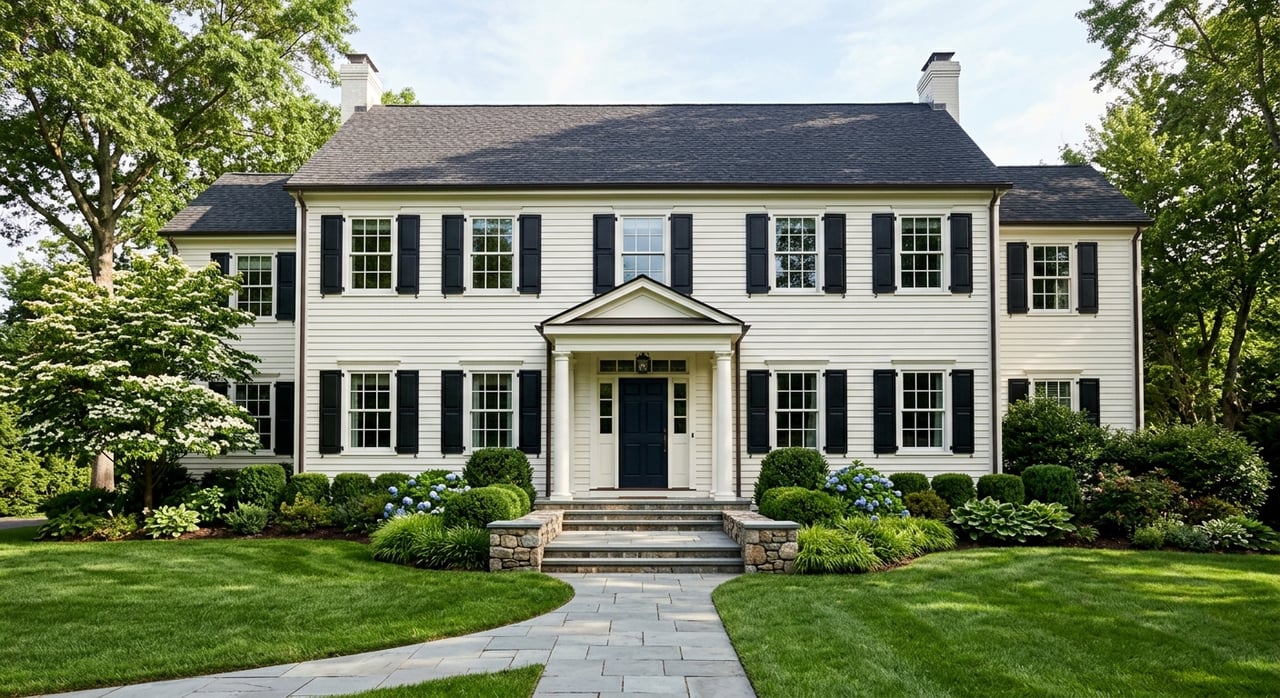
Are you looking for a Connecticut shoreline setting that feels polished, walkable, and deeply rooted in local history? Southport offers a rare mix of coastal beauty, village scale, and everyday convenience that appeals to buyers who want more than just a pretty address. If you are exploring Fairfield County and wondering what makes this corner of Fairfield so distinctive, this guide will help you understand the lifestyle, architecture, and rhythm of daily life here. Let’s dive in.
Why Southport Feels Different
Southport has a long history, but it does not feel frozen in time. Settled as part of Fairfield in 1639 and incorporated as a borough in 1831, the village grew around the harbor at the mouth of the Mill River. Coastal trade once made Southport the economic center of Fairfield before the railroad arrived in 1848 and helped shift the area toward a more residential pattern.
That history still shapes how the village feels today. With a population of 1,797 in the 2020 Census, Southport remains small in scale, which gives it a more intimate and established atmosphere than a busier commercial corridor. You notice that sense of place in the street pattern, the harbor setting, and the balance between homes, civic buildings, and local businesses.
Historic Character Shapes Daily Life
One of Southport’s defining features is its preserved historic district. The Southport Historic District was formed in 1967 and expanded in 2007, and it includes more than 150 buildings. That district is not limited to houses alone. It also includes churches, commercial buildings, and institutional structures, which helps the village feel layered and authentic rather than themed.
For you as a buyer, that means the visual experience of Southport is especially rich. The streetscape includes 18th-century saltboxes, Federal-era homes, Greek Revival, Italianate, Gothic Revival, Queen Anne, Colonial Revival, early Cape Cod, and even a few contemporary houses. Instead of a neighborhood where everything was built at once, you get a setting that has evolved over generations.
Another key part of the character is the lot pattern. Many properties sit on generous lots, and the surviving gardens and lawns are considered defining features of the district. The result is a village setting that can feel both compact and spacious at the same time.
Architecture With Variety
If you appreciate homes with architectural personality, Southport stands out. The appeal here is not simply that the homes are old. It is that the village presents a broad range of styles in a cohesive coastal setting, with mature landscaping and a sense of continuity from one block to the next.
Landmark properties help reinforce that identity. The Old Mill at 95 Harbor Road is thought to date to about 1722 and remains one of the village’s best-known historic sites. Even if you are not searching for a period home, living in a place with that kind of visible heritage can shape the overall atmosphere of the community.
For some buyers, Southport’s architectural variety also creates a more interesting home search. You may find homes that feel formal and classic, others that feel relaxed and coastal, and some that blend historic context with updated interiors. That range is part of what makes the village so compelling.
Coastal Living Beyond the View
Southport’s relationship to the water is central to its identity. Fairfield’s coastal planning documents describe Southport Harbor as a center of boating activity and a regional destination for visiting boaters. This is not just a scenic backdrop. It is an active part of village life.
Public access adds to that connection. The Lower Wharf provides access to the harbor and also hosts the annual Blessing of the Fleet, a tradition that reflects Southport’s maritime roots. That kind of recurring local event can make the village feel more connected and grounded in its own history.
Southport Beach is another important part of the lifestyle. Located at 1505 Pequot Avenue, it is a town beach of about 2.6 acres along Long Island Sound, near the mouth of Sasco Creek and next to the Westport border. Fairfield also has five public beaches across five miles of coastline, which means shoreline access is part of the broader town experience, not just something reserved for private waterfront owners.
What Day-to-Day Living Looks Like
Southport works well for people who want beauty and practicality in the same place. The village center includes a mix of local destinations and services, with examples in the Southport business district such as Delamar Southport, Artisan Restaurant, Organika Kitchen, Pequot Library, a bank, a jeweler, salon services, and real estate offices. That mix helps support everyday living without making the area feel overbuilt.
The town is also investing in the pedestrian experience. Fairfield’s Southport Connectivity project is designed to improve sidewalks, ramps, curb and signal work, traffic calming, landscaping, and other streetscape features along the Post Road corridor. The goal is to better connect surrounding neighborhoods with businesses, restaurants, doctor offices, and mass transit.
For you, that suggests a village that values ease of movement and a more connected public realm. If walkability and a polished streetscape matter to you, those improvements are meaningful.
Commuter Access Matters Here
Southport’s charm is matched by convenience. The Connecticut Department of Transportation lists Southport as one of the Fairfield stops on Metro-North’s New Haven Line, which operates from New Haven to Grand Central Terminal. That rail access helps explain why Southport can feel tucked away and connected at the same time.
For many Fairfield County buyers, that combination is a major advantage. You can enjoy a coastal village setting while still keeping a practical link to larger employment and cultural centers. Whether you commute regularly or simply want flexibility, the train remains an important part of Southport’s appeal.
Who Southport Often Appeals To
Southport can be a strong fit if you are drawn to places with visible history, architectural character, and a calmer daily pace. Buyers who value water access, a village center, and rail service often find that this area checks several boxes at once. It may also appeal to those who want a smaller-scale setting within Fairfield County without giving up access to broader town amenities.
The village can be especially attractive if you care about how a place feels, not just what it offers on paper. Streetscapes, lot sizes, landscaping, and building variety all shape your experience of a neighborhood. In Southport, those details are a big part of the draw.
What To Keep In Mind When Buying
If Southport is on your shortlist, it helps to look beyond square footage and bedroom count. In a historic and design-sensitive setting, the details of a home’s architecture, lot placement, updates, and relationship to the street can matter a great deal. So can proximity to the harbor, beach, village center, and train.
You may also want to think about how the home matches your lifestyle. Some buyers prioritize a classic historic setting, while others want a home that blends period character with more modern systems and finishes. In a place like Southport, the best decision often comes from balancing charm, convenience, and long-term usability.
That is where experienced local guidance can make a real difference. A thoughtful advisor can help you evaluate not just the home itself, but also how it fits into the village fabric and your bigger goals.
Why Local Guidance Helps
Southport is a nuanced market because its value is tied to more than location alone. Buyers are often weighing architecture, setting, condition, coastal access, commuter convenience, and the overall feel of the street. Those are highly personal decisions, and they benefit from careful, local context.
Rachel Walsh’s approach is especially well suited to that kind of search. With deep Fairfield County knowledge, design awareness, and hands-on experience evaluating presentation, quality, and resale potential, she helps clients look at a property from every angle. If you are considering Southport, working with an advisor who understands both the homes and the lifestyle can help you move forward with clarity.
If you are thinking about buying or selling in Southport and want tailored, thoughtful guidance, connect with Rachel Walsh for a more informed next step.
FAQs
What is Southport Village in Fairfield, CT known for?
- Southport is known for its historic village setting, harbor-centered identity, architectural variety, public shoreline access, and Metro-North train service.
How large is Southport, Connecticut?
- The Southport census-designated place had 1,797 residents in the 2020 Census, which contributes to its small-scale village feel.
What kinds of homes are found in Southport Village?
- The Southport Historic District includes more than 150 buildings and features styles such as saltbox, Federal, Greek Revival, Italianate, Gothic Revival, Queen Anne, Colonial Revival, early Cape Cod, and some contemporary homes.
Does Southport, CT have beach and harbor access?
- Yes. Southport Harbor is a center of boating activity with public access at the Lower Wharf, and Southport Beach at 1505 Pequot Avenue is a town beach along Long Island Sound.
Is Southport convenient for commuting to New York City?
- Yes. Southport is served by Metro-North’s New Haven Line, which connects shoreline towns in Connecticut with Grand Central Terminal.
What makes Southport different from other shoreline areas in Fairfield County?
- Southport stands out for its compact village scale, preserved historic district, generous lots, maritime character, mixed-use center, and rail access in one coastal setting.