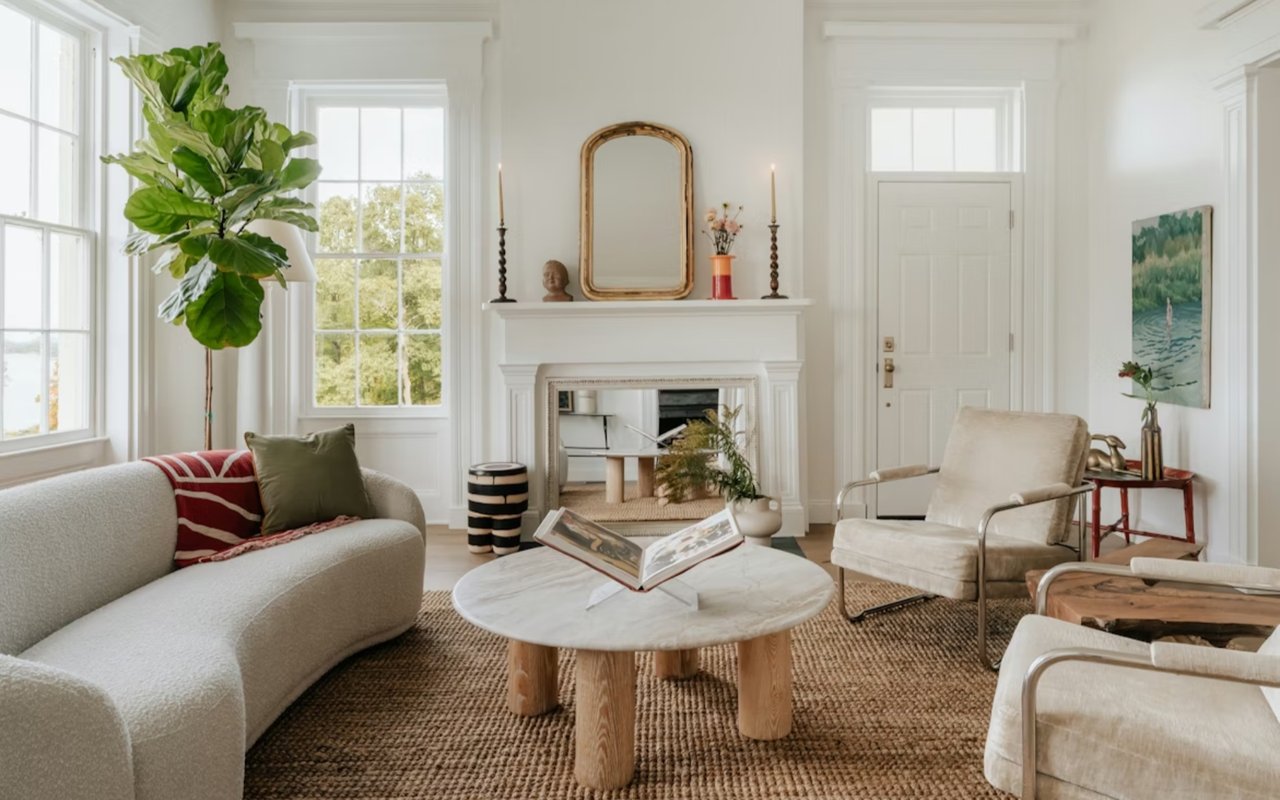
Open houses are one of the most useful ways to get a feel for the Darien market. Walking through a property in person reveals details that are not always obvious in photos or online listings. Knowing what to look for in open houses helps buyers stay focused, ask better questions, and compare homes more clearly after a busy weekend of showings.
Start With the Street and Setting
First impressions begin before you reach the front door. Take a moment to look at the street and the immediate surroundings. Notice how close the neighboring homes are, how people use their yards, and how cars move through the area. This will give you an early sense of how quiet or busy daily life might feel.
Pay attention to the condition of nearby properties as well. Well-kept homes and thoughtful landscaping can be a positive sign for long-term value. Consider your commute, school routes, and access to local amenities from this location. Even an attractive home can feel less appealing if its setting does not fit your lifestyle.
Pay attention to the condition of nearby properties as well. Well-kept homes and thoughtful landscaping can be a positive sign for long-term value. Consider your commute, school routes, and access to local amenities from this location. Even an attractive home can feel less appealing if its setting does not fit your lifestyle.
Evaluate Layout and Flow
Once inside, focus on how the rooms connect rather than just how they look. A home with a logical, comfortable layout will feel easy to live in. Notice where you enter from the garage, how close the kitchen is to the main living areas, and whether the bedrooms feel private enough from common spaces.
Think about your daily routine. If you work from home, is there a quiet spot that could serve as your office? If you entertain, does the kitchen flow naturally into dining and seating areas? When you understand how to find the right rhythm for your lifestyle, it becomes easier to decide what to look for in open houses and which layouts make the most sense.
Think about your daily routine. If you work from home, is there a quiet spot that could serve as your office? If you entertain, does the kitchen flow naturally into dining and seating areas? When you understand how to find the right rhythm for your lifestyle, it becomes easier to decide what to look for in open houses and which layouts make the most sense.
Look Past the Staging
Staging is designed to help you picture life in the home, but it can also distract from more important details. Take a second look at what is behind the furniture and decor. Check the condition of walls, floors, baseboards, and windows. Look for signs of wear, such as scuffs, gaps, or uneven surfaces.
Open and close doors and cabinets where appropriate, and inspect closet interiors to determine the actual storage space available. Try to imagine the rooms without the staged furniture. Ask yourself whether the size and shape of the space will work with your existing pieces or planned purchases.
Open and close doors and cabinets where appropriate, and inspect closet interiors to determine the actual storage space available. Try to imagine the rooms without the staged furniture. Ask yourself whether the size and shape of the space will work with your existing pieces or planned purchases.
Pay Attention to Light and Noise
Natural light has a big impact on how a home feels during the day. Notice which rooms receive direct light and when. South and west-facing rooms may feel bright and warm, while some areas may rely more on artificial lighting. Consider how this will affect your daily routine, especially in the winter months.
Noise is equally important. During the open house, take a moment to stand quietly and listen. You may hear traffic, trains, nearby activity, or interior sounds between floors and walls. While some noise is normal, you will want to determine whether the overall environment aligns with your preferred level of quiet.
Noise is equally important. During the open house, take a moment to stand quietly and listen. You may hear traffic, trains, nearby activity, or interior sounds between floors and walls. While some noise is normal, you will want to determine whether the overall environment aligns with your preferred level of quiet.
Assess Condition and Potential Maintenance
A key part of what to look for in open houses is overall condition. While a full inspection comes later, open houses allow you to gather early clues. Look at the age and condition of windows, roofing materials you can see from the yard, and visible mechanical systems such as heating units or water heaters, if accessible.
Inside, note the condition of kitchen and bathroom finishes, flooring, and fixtures. Updated spaces may reduce the need for near-term projects, while older finishes can signal upcoming costs. This does not mean you should avoid homes that need work. It simply helps you understand where the property sits on the spectrum from move-in ready to update required.
Inside, note the condition of kitchen and bathroom finishes, flooring, and fixtures. Updated spaces may reduce the need for near-term projects, while older finishes can signal upcoming costs. This does not mean you should avoid homes that need work. It simply helps you understand where the property sits on the spectrum from move-in ready to update required.
Consider Storage and Practical Details
Storage often becomes more important after you move in, so it is wise to evaluate it early. Look at bedroom closets, pantry space, linen storage, and any basement or attic areas. Consider seasonal items, sports equipment, and everyday belongings that require a designated storage space.
Entry points are also important in a town like Darien, where wet or snowy weather can be part of the year. Notice whether there is a logical place for shoes, coats, and bags near the main entrance you are likely to use. These practical details can make daily life smoother and more organized.
Entry points are also important in a town like Darien, where wet or snowy weather can be part of the year. Notice whether there is a logical place for shoes, coats, and bags near the main entrance you are likely to use. These practical details can make daily life smoother and more organized.
Review Outdoor Spaces
Outdoor areas can add real value to a home, especially in a community where people appreciate time outside. Step into the yard, patio, or deck and consider how you might use the space. Is there room for dining, play, gardening, or relaxing? Check for privacy, orientation to the sun, and any noticeable grading or drainage issues.
Also consider basic upkeep. A large yard can be appealing, but it may also require more maintenance than you want to manage. A smaller, well-designed outdoor area might be a better fit for a busy schedule.
Also consider basic upkeep. A large yard can be appealing, but it may also require more maintenance than you want to manage. A smaller, well-designed outdoor area might be a better fit for a busy schedule.
Watch for Red Flags
While most homes will show normal signs of age, certain issues should prompt closer attention. Water stains on ceilings or walls, strong odors, or significant cracks in walls or foundations are worth noting. Uneven floors, sticking doors, or obvious patchwork repairs may also signal underlying concerns.
You do not need to diagnose these issues during an open house. Instead, use them as reminders to ask questions or to follow up with a professional inspection if you decide the property is a serious contender.
You do not need to diagnose these issues during an open house. Instead, use them as reminders to ask questions or to follow up with a professional inspection if you decide the property is a serious contender.
Take Notes and Compare Thoughtfully
After touring several homes, details can start to blur together. It is helpful to take short notes or photos where allowed. Capture your immediate impressions, both positive and negative. Write down anything that surprised you or felt particularly appealing.
Later, compare homes based on layout, location, condition, and how well they match your priorities. When you understand what to look for in open houses and have a clear record of each visit, your decisions will feel more grounded and less rushed.
Later, compare homes based on layout, location, condition, and how well they match your priorities. When you understand what to look for in open houses and have a clear record of each visit, your decisions will feel more grounded and less rushed.
Use Open Houses as a Learning Tool
Even if you are not ready to make an offer right away, open houses are valuable for learning the market. You will begin to recognize which features are common at different price points and which are rare. You will also gain a better sense of how quickly homes in Darien attract interest and how they present in person versus online.
Over time, this experience will help you make faster and more confident decisions when you do find a home that feels right. You will know which trade-offs you are willing to accept and which are non-negotiable.
Over time, this experience will help you make faster and more confident decisions when you do find a home that feels right. You will know which trade-offs you are willing to accept and which are non-negotiable.
Local Guidance for Darien Buyers
Finding the right home in Darien involves more than visiting a few open houses on the weekend. It requires context about the neighborhoods, clear insight into value, and a thoughtful approach to comparing what you see. Rachel Walsh helps buyers interpret each property in light of local trends, long-term potential, and individual priorities, so open houses become a useful step rather than an overwhelming task. For a calm, informed approach to the Darien, CT, market and the homes that best fit your goals, contact Rachel Walsh today.
*Header image courtesy of Unsplash
*Header image courtesy of Unsplash