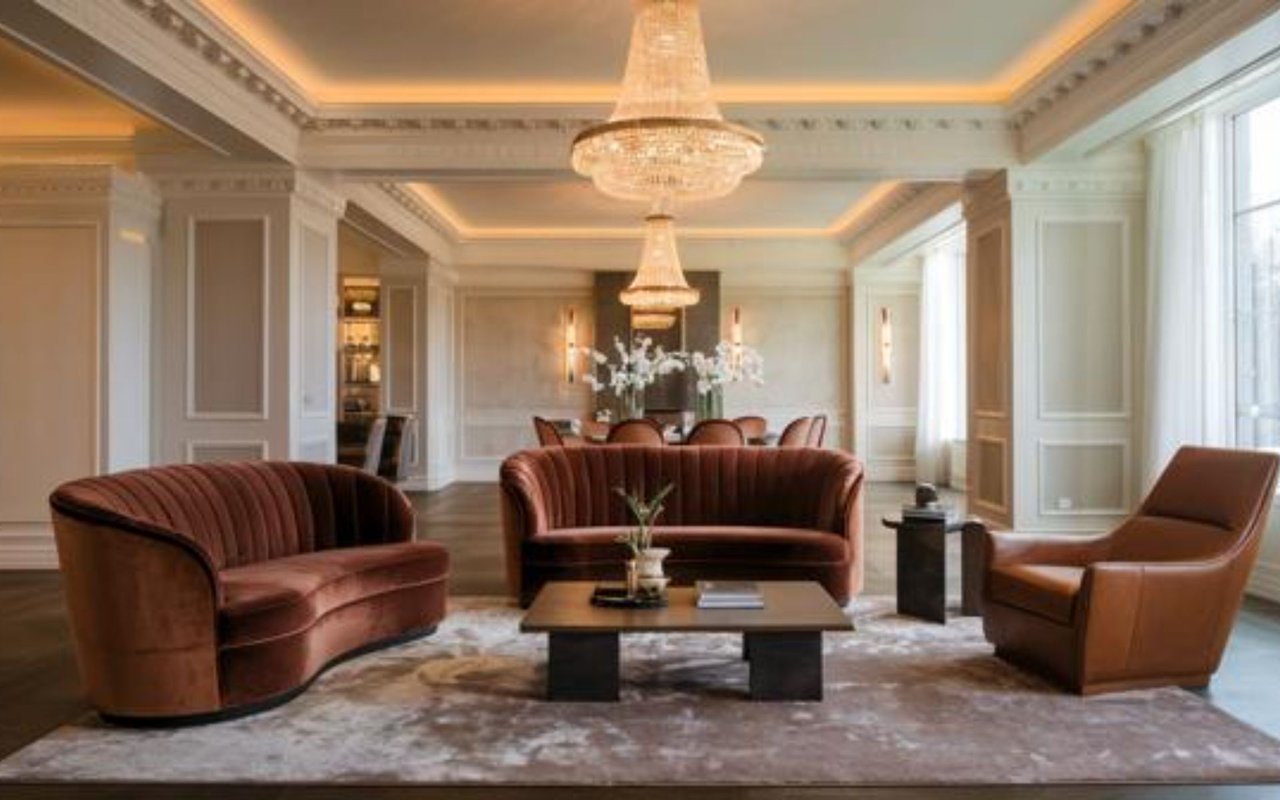
Modern classic style blends traditional moldings, rich textures, and elegant furniture with clean-lined, minimalist layouts, and it's one of the presentation choices sellers use to help a listing show well. Roughly 75% of sellers who professionally stage their home see a 5 to 15% return on that investment, per National Association of Realtors data, and a neutral, timeless palette like modern classic photographs and shows especially well.
Design Element | Modern Classic Approach | Key Materials | Effect |
|---|
Color palette | Neutral, soft tones | Whites, creams, grays, beiges | Calm backdrop, broad buyer appeal |
Furniture | Clean lines, subtle curves | Tufted or nailhead-trim upholstery | Comfort with traditional accents |
Architectural details | Painted to match walls | Crown molding, wainscoting, coffered ceilings | Depth without visual clutter |
Flooring | High-quality, natural materials | Hardwood, marble, stone | Durability and a sense of luxury |
Staging ROI figures from the National Association of Realtors' Profile of Home Staging.
Thinking about staging your New Canaan home before listing? Get a free home valuation or read my 6 smart updates to get top-dollar offers.
In the ever-evolving world of interior design, modern classic style has emerged as a timeless and sophisticated choice, blending the elegance of traditional design with the clean lines and functionality of contemporary aesthetics. This style is characterized by its ability to create spaces that feel both luxurious and inviting, making it a popular choice for those who appreciate classic design but want the simplicity and comfort of modern living.
The Essence of Modern Classic Style
Modern classic style is all about balance. It takes the best elements of traditional design, such as intricate moldings, rich textures, and elegant furniture, and pairs them with the simplicity and minimalism of modern design. This fusion creates a look that is both timeless and current, appealing to those who appreciate the charm of classic interiors but want to avoid the heaviness that can sometimes accompany them. The result is a space that feels both sophisticated and approachable, with a focus on quality materials and craftsmanship.
Color Palette and Textures
A key aspect of modern classic style is the use of a neutral color palette, which serves as a backdrop for the design's more intricate elements. Soft whites, creams, grays, and beiges are commonly used, providing a serene and calming atmosphere. These colors allow for the incorporation of various textures, such as velvet, silk, and leather, which add depth and interest to the space.
Furniture Selection and Arrangement
Furniture in a modern classic interior is typically characterized by its timeless design and high-quality materials. Pieces often feature clean lines and subtle curves, with an emphasis on comfort and functionality. Upholstered furniture, such as sofas and armchairs, are often adorned with tufting or nailhead trim, adding a touch of traditional elegance. The arrangement of furniture is also important, with a focus on creating a balanced and harmonious layout that encourages conversation and relaxation.
Architectural Details and Moldings
One of the defining features of modern classic style is the use of architectural details and moldings, which add a sense of grandeur and sophistication to the space. Crown moldings, wainscoting, and coffered ceilings are commonly used to enhance the architectural elements of a room, creating a sense of depth and dimension. These details are often painted in the same neutral tones as the walls, allowing them to blend seamlessly into the overall design while still making a statement.
Curious how staging and design choices affect what a home actually sells for? See how I determine market value, or read about 9 top factors that influence home resell value.
Lighting and Accessories
Lighting plays a crucial role in modern classic interiors, with a focus on creating a warm and inviting ambiance. Chandeliers, sconces, and table lamps are often used to provide layered lighting that highlights the room's architectural features and adds a touch of elegance. Accessories, such as mirrors, artwork, and decorative objects, are carefully selected to complement the overall design and add a personal touch. These elements are often kept to a minimum, allowing the beauty of the furniture and architectural details to take center stage.
Flooring and Rugs
Flooring in modern classic interiors is typically made from high-quality materials, such as hardwood, marble, or stone, which add a sense of luxury and durability to the space. Area rugs are often used to define seating areas and add warmth and texture to the room. These rugs are usually chosen in neutral tones or subtle patterns, allowing them to complement the overall color palette without overpowering the design.
Window Treatments
Window treatments in modern classic interiors are often elegant and understated, with a focus on enhancing the room's natural light. Draperies made from luxurious fabrics, such as silk or linen, are commonly used to frame windows and add a touch of softness to the space. These treatments are often kept simple, with minimal embellishments, allowing the beauty of the fabric and the room's architectural details to shine.
Incorporating Modern Elements
While modern classic style is rooted in traditional design, it also embraces contemporary elements that add a sense of freshness and innovation. This can include the use of modern art, sleek lighting fixtures, or minimalist furniture pieces that contrast with the more traditional elements of the space. By incorporating these modern touches, the design remains current and relevant, appealing to those who appreciate both classic and contemporary aesthetics.
Creating a Timeless Atmosphere
The ultimate goal of modern classic style is to create a space that feels timeless and enduring, with a focus on quality and craftsmanship. By carefully selecting materials, furniture, and accessories that reflect this ethos, you can create an environment that feels both luxurious and inviting.
Personalizing Your Space
While modern classic style has its defining characteristics, it's important to personalize your space to reflect your individual taste and lifestyle. This can be achieved through the careful selection of artwork, accessories, and color accents that resonate with you. By incorporating personal touches, you can create a space that feels uniquely yours, while still adhering to the principles of modern classic design.
Frequently Asked Questions
Does modern classic style help a home sell for more?
A neutral, well-staged modern classic interior tends to photograph and show well to a broad range of buyers. NAR data shows roughly 75% of sellers who professionally stage their home see a 5 to 15% return on that investment.
What's the difference between modern classic and traditional style?
Traditional style leans into ornate detail and heavier furnishings, while modern classic pairs those same architectural details, like moldings and wainscoting, with simpler, cleaner-lined furniture and a lighter, neutral palette.
Is modern classic style expensive to achieve?
Not necessarily. Because it relies on a neutral palette and a few well-chosen quality pieces rather than heavy ornamentation, it can be phased in gradually, starting with paint, textiles, and lighting before larger furniture investments.
About Rachel Walsh: Rachel Walsh is a real estate agent with Compass Connecticut, LLC, with 25 years of experience helping New Canaan sellers prepare and stage homes for market. She leads the Rachel Walsh Homes team. Learn more about Rachel.
Embrace Modern Classic Style in Your New Canaan Home
Incorporating modern classic style into your home can create a timeless and elegant space that feels both fresh and familiar. Whether you're updating a single room or redesigning your entire home, this style offers a blend of sophistication and comfort. If you're in the market for a home that embodies this aesthetic, or need guidance on how to achieve it before listing,
Rachel Walsh is here to help.
Related Reading
Staging ROI figures from the National Association of Realtors' Profile of Home Staging.